
The Benefits of Aeration
The Benefits of Aeration
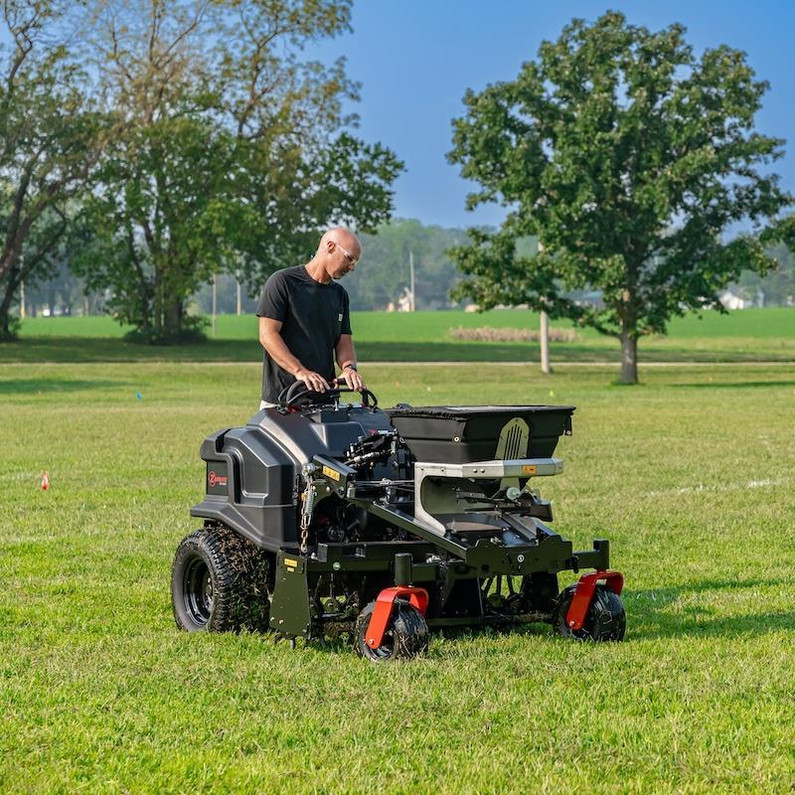
A pristine lawn lays the foundation for any perfect backyard life. But too much work and play can take a toll, compacting your soil and leaving your lawn worse for wear. That’s where core aeration comes into play. In this episode of Backyard Smart, we’re breaking down the benefits of lawn aeration, why it matters, and how a few well-timed passes with a core aerator can set your turf up for thicker, greener growth all season long.
Why Compacted Soil Is a Problem
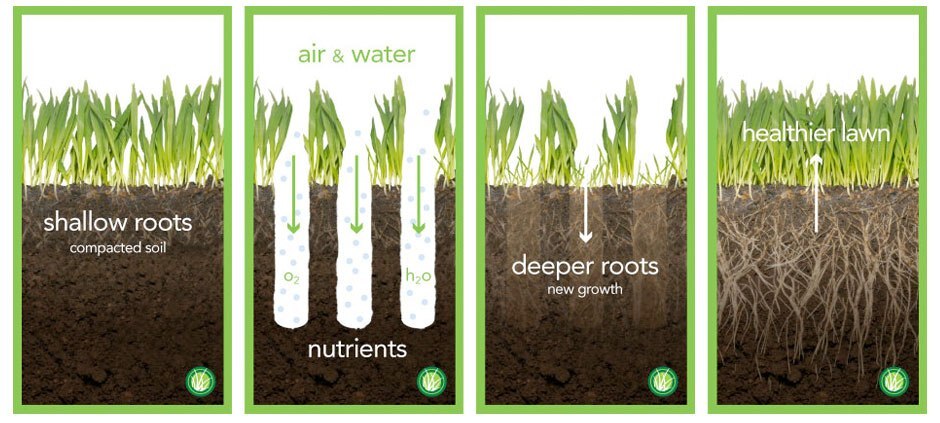
Between mowing, foot traffic, pets, backyard games, and even rainfall, soil naturally becomes compacted over time. These tightly packed areas of your lawn leave little room for the essentials (air, water, and nutrients) to reach the roots.
This process stunts deep root growth, causes water pooling, nutrient loss, and erosion, and invites weeds and pests to move in. If untreated, you’ll be left with a thin, weak, and otherwise rough-looking lawn, no matter how much effort you put into fertilizing, watering, and cutting.
How Core Aeration Works
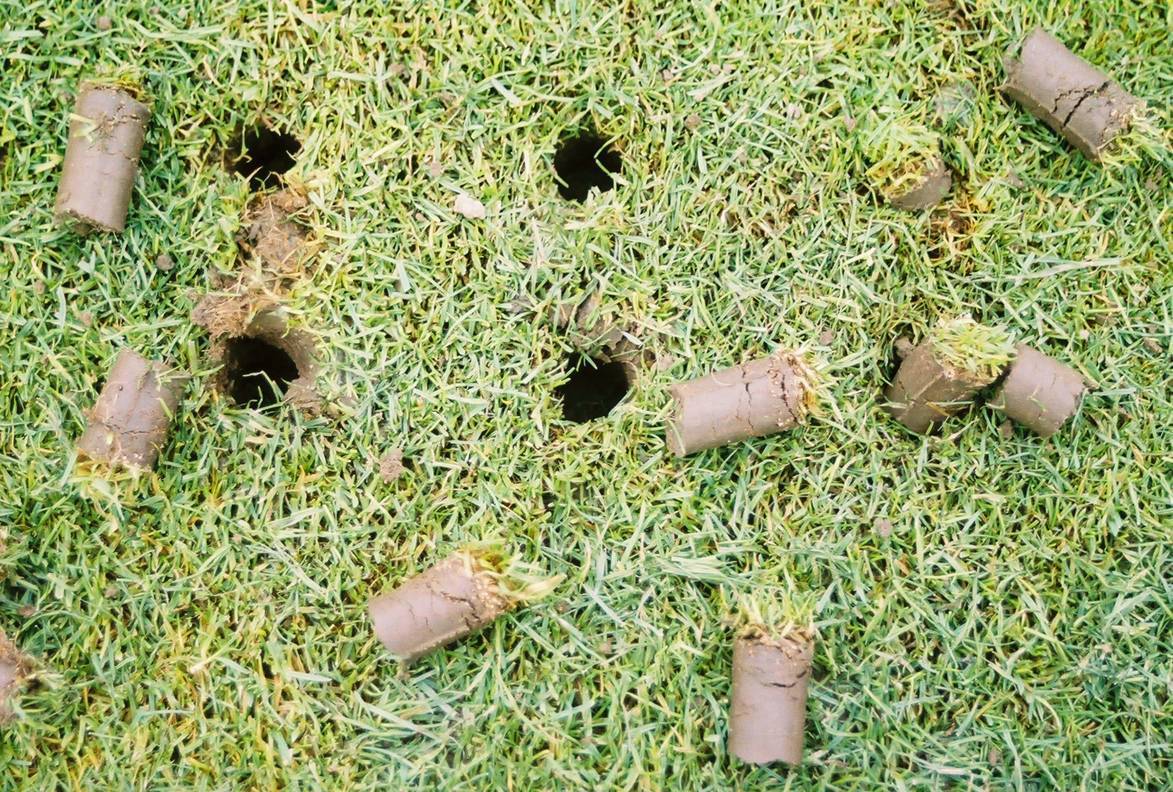
Core aeration tackles compaction head-on, using tines to remove small plugs of soil from your lawn. These holes might not look like much at first, but they create vital pathways beneath the surface. They help in reliving compaction, opening up your lawn, and encouraging it to grow stronger and healthier.
The Benefits of Lawn Aeration
The benefits of lawn aeration are much more than a short-term improvement. When done annually, it helps correct some of the most common lawn issues homeowners face.
- Stronger Roots: With more oxygen and room to grow, your lawn’s roots can extend deeper into the ground. Deeper roots mean better access to vital moisture and nutrients found further in the soil profile. And, they help build a lawn that can better withstand dry spells.
- Improved Water and Nutrient Uptake: Instead of running off or pooling, aeration lets water filter more effectively into the soil. Nutrients and fertilizer follow suit, building an even stronger yard.
- Reduced Thatch Buildup: A dense layer of dead grass and organic matter that builds on top of soil and just below the grass blades, thatch blocks air and water from your lawn’s roots. Aeration helps it break down naturally, as the new holes in your soil create channels for air, water, and microbes to rush in, facilitating faster decomposition. However, this process doesn’t eliminate thatch by itself—routine dethatching can also go a long way in preventing buildup.
- Thicker Turf: By improving drainage, nutrient uptake, and root health, aeration ultimately works to encourage fuller, greener, more uniform growth.
Core Aeration vs. Spike Aeration
Not all aeration methods are created equal. While both core and spike aeration aim to relieve compacted soil, how they do it makes a huge difference to your yard’s health.
Spike aeration uses solid tines to poke holes in the ground. However, these spikes don’t remove any soil—instead, they push it downward and outward, compacting the surrounding areas even more. Over time, this can make compacted lawns worse than before, further limiting root growth and airflow.
Core aeration entirely removes small plugs of soil, creating open channels for air, water, and nutrients. And, as a bonus, these plugs are dispersed all over your yard, breaking down naturally to redistribute beneficial nutrients back into your lawn.
The Best Time to Aerate
The key to aeration is to do it annually when your grass is actively growing, so that it can recover quickly and take full advantage of the benefits the process provides. That timing is wholly dependent on what type of grass you have.
For those with warm-season grasses (like Bermuda, zoysia, and centipede), it’s best to aerate in the late spring through summer, when these types are in their most vigorous stage of growth. Then, for the best results, follow up with fertilization or top dressing.
For those with cool-season lawns (like fescue, bluegrass, and rye), early fall aeration is ideal—but early spring is acceptable, if necessary. Make sure to avoid aerating during summer stress or winter dormancy. Once aerated, overseed your lawn to encourage thick, healthy growth.
Air It Out
Healthy lawns start underground, and core aeration opens the door for air, water, and nutrients to do their job. Building strong roots, improving drainage, keeping your lawn thick and green—and setting the stage for your best backyard life. So get outside, let your lawn breathe, and air it out.
Recent Posts
-

Going Off the Grid: Essential Tips for a Self-Sufficient Property
Things to Keep in Mind When Taking Your Property Off the Grid How smart planning – and the right equ …Sep 9th 2026 -

The Benefits of Aeration
The Benefits of Aeration A pristine lawn lays the foundation for any perfect backyard life. But t …Sep 4th 2026 -
Mower Settings for Late Summer and Early Fall
Mower settings are a hot topic of debate for some. However, there are a few basic guidelines that ca …Sep 1st 2026